
 Home
HomeEnd Stub personal checks
End Stub Checks
End Stub checks deserve a category page that does more than repeat a title and show products. This upgraded SEO content explains what shoppers can expect, what makes the theme appealing, and how GetyChecks helps visitors compare designs with more clarity. This page now supports stronger topical signals around style, selection, confidence and comparison value, while giving shoppers a better reason to stay, browse and click. GetyChecks emphasizes design variety, clear product comparison and secure ordering support so the category feels helpful to both search engines and real buyers.
Shop by design
End Stub Check Designs
End Stub checks deserve a category page that does more than repeat a title and show products. This upgraded SEO content explains what shoppers can expect, what makes the theme appealing, and how GetyChecks helps visitors compare designs with more clarity.
This page now supports stronger topical signals around style, selection, confidence and comparison value, while giving shoppers a better reason to stay, browse and click. GetyChecks emphasizes design variety, clear product comparison and secure ordering support so the category feels helpful to both search engines and real buyers.
Showing 1633-1664 of 2,390 End Stub check designs.
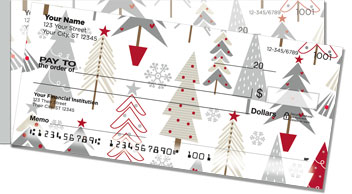 Christmas Tree Side Tear
Starting Price: $15.70
Christmas Tree Side Tear
Starting Price: $15.70
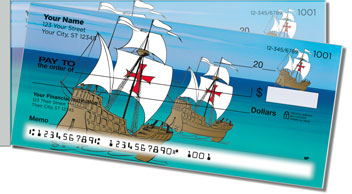 Christopher Columbus Side Tear
Starting Price: $15.70
Christopher Columbus Side Tear
Starting Price: $15.70
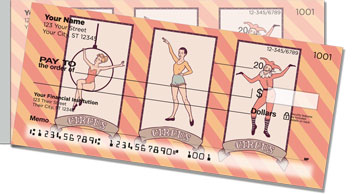 Circus Act Side Tear
Starting Price: $15.70
Circus Act Side Tear
Starting Price: $15.70
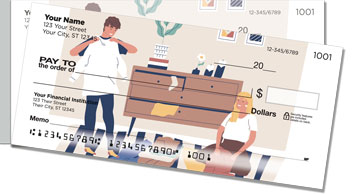 Cleaning House Side Tear
Starting Price: $15.70
Cleaning House Side Tear
Starting Price: $15.70
 Clockwork Side Tear
Starting Price: $15.70
Clockwork Side Tear
Starting Price: $15.70
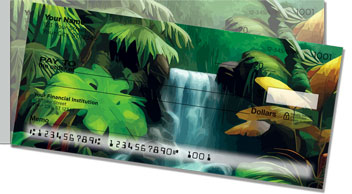 Cold Creek Side Tear
Starting Price: $15.70
Cold Creek Side Tear
Starting Price: $15.70
 Colored Pencil Side Tear
Starting Price: $15.70
Colored Pencil Side Tear
Starting Price: $15.70
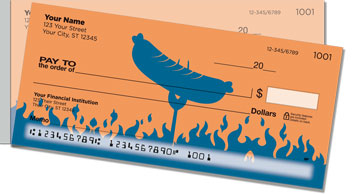 Cookout Side Tear
Starting Price: $15.70
Cookout Side Tear
Starting Price: $15.70
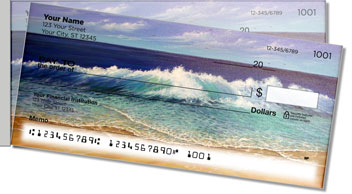 Crashing Wave Side Tear
Starting Price: $19.90
Crashing Wave Side Tear
Starting Price: $19.90
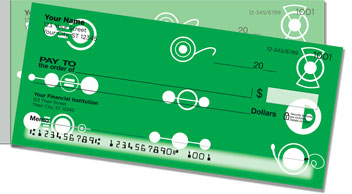 Crop Circle Side Tear
Starting Price: $15.70
Crop Circle Side Tear
Starting Price: $15.70
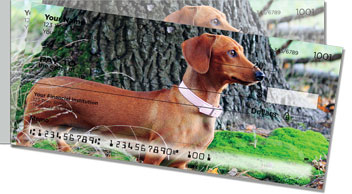 Dachshund Side Tear
Starting Price: $15.70
Dachshund Side Tear
Starting Price: $15.70
 Dentist Side Tear
Starting Price: $15.70
Dentist Side Tear
Starting Price: $15.70
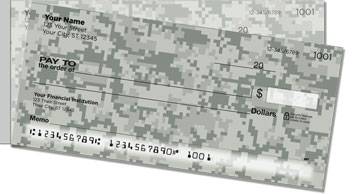 Digital Camo Side Tear
Starting Price: $15.70
Digital Camo Side Tear
Starting Price: $15.70
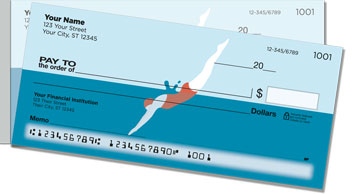 Diving Side Tear
Starting Price: $15.70
Diving Side Tear
Starting Price: $15.70
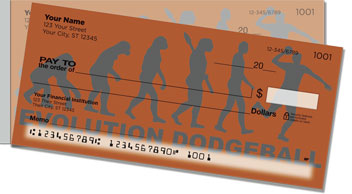 Dodgeball Side Tear
Starting Price: $15.70
Dodgeball Side Tear
Starting Price: $15.70
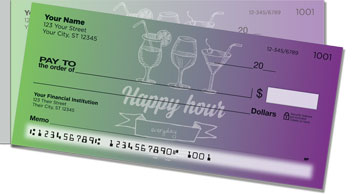 Drink Up Side Tear
Starting Price: $15.70
Drink Up Side Tear
Starting Price: $15.70
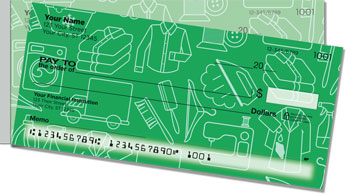 Dry Cleaning Side Tear
Starting Price: $15.70
Dry Cleaning Side Tear
Starting Price: $15.70
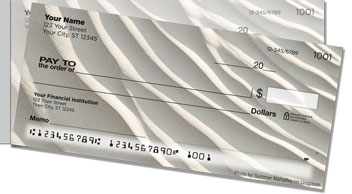 Earth Tone Side Tear
Starting Price: $15.70
Earth Tone Side Tear
Starting Price: $15.70
 Electrician Side Tear
Starting Price: $15.70
Electrician Side Tear
Starting Price: $15.70
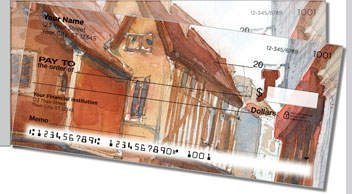 Europe 2 Side Tear
Starting Price: $19.90
Europe 2 Side Tear
Starting Price: $19.90
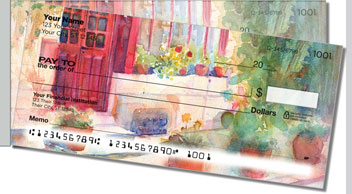 Europe Side Tear
Starting Price: $19.90
Europe Side Tear
Starting Price: $19.90
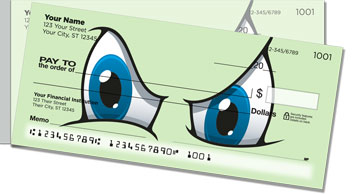 Eye See You Side Tear
Starting Price: $15.70
Eye See You Side Tear
Starting Price: $15.70
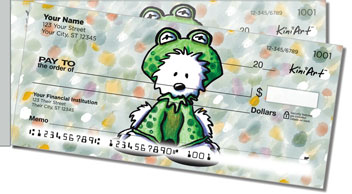 Fairytale Series Side Tear
Starting Price: $19.90
Fairytale Series Side Tear
Starting Price: $19.90
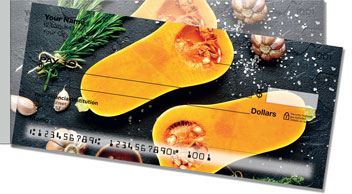 Farmers' Market Side Tear
Starting Price: $15.70
Farmers' Market Side Tear
Starting Price: $15.70
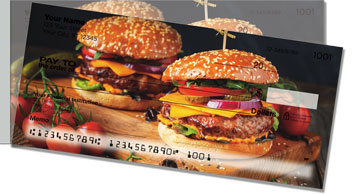 Fast Food Side Tear
Starting Price: $15.70
Fast Food Side Tear
Starting Price: $15.70
 Fencing Side Tear
Starting Price: $15.70
Fencing Side Tear
Starting Price: $15.70
 Filtered Ray Side Tear
Starting Price: $15.70
Filtered Ray Side Tear
Starting Price: $15.70
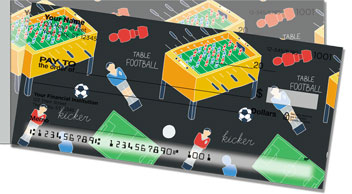 Foosball Side Tear
Starting Price: $15.70
Foosball Side Tear
Starting Price: $15.70
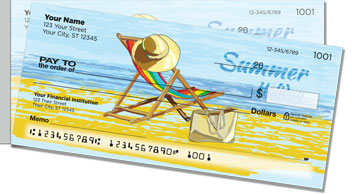 Fun on the Beach Side Tear
Starting Price: $15.70
Fun on the Beach Side Tear
Starting Price: $15.70
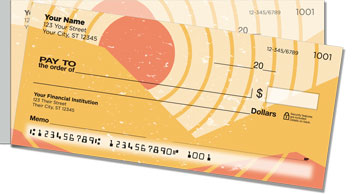 Fun Sun Side Tear
Starting Price: $15.70
Fun Sun Side Tear
Starting Price: $15.70
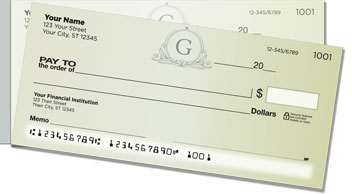 G Monogram Side Tear
Starting Price: $15.70
G Monogram Side Tear
Starting Price: $15.70
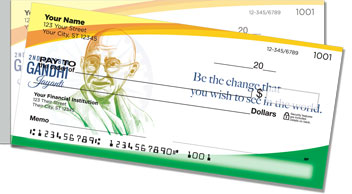 Gandhi Side Tear
Starting Price: $15.70
Gandhi Side Tear
Starting Price: $15.70
End Stub Checks with Stronger Theme-Focused SEO
End Stub shoppers usually want a page that feels specific, useful and trustworthy rather than thin or generic. That matters because crawled-but-not-indexed pages usually need more than just a product grid. They need context, intent coverage and useful language that explains why this personal checks category deserves to rank for shoppers searching end stub, End Stub and other close variations. This refreshed content gives the page more semantic depth while staying grounded in what a real buyer actually wants to know before clicking into products.
For GetyChecks, the goal is not only to show inventory but also to help visitors compare style, function and buying confidence in one place. A stronger category page supports longer engagement, clearer internal relevance and a better match between search intent and page content. When people land here, they should immediately understand what this collection represents, who it is for and why it may be a better fit than a thin listing page somewhere else.
Why Shoppers Search This End Stub Category
Most visitors who search for End Stub are not just looking for any generic result. They usually want routine payments, gifting ideas and shoppers who want more personality from everyday banking, and they want a browsing experience that helps them reach designs that feel expressive without giving up ease of ordering or practical value. Search engines reward category pages that answer those needs clearly. That is why this page now speaks directly to style, selection, confidence and comparison value, instead of relying on short filler copy. The more precisely a page explains its design style, product purpose and browsing value, the easier it becomes for Google to understand why it should be indexed.
Another important signal is topical completeness. Shoppers commonly compare more than one phrase before they decide. They may start with End Stub, then explore related ideas like matching address labels, coordinated accessories, duplicate options and everyday banking products. A rich category page helps capture that broader search behavior naturally. It gives Google stronger reasons to view the page as a destination rather than a duplicate or low-value variant, and it gives shoppers more confidence that they are in the right place.
What to Look for Before Choosing
Whether someone is browsing quickly or comparing carefully, there are a few practical decision points that usually matter. Buyers often evaluate theme appeal, color balance, artwork clarity, duplicate versus single format needs and how well the design reflects the shopper’s personality. They also notice how easy it is to scan products, how clearly the theme comes through, and whether the category feels curated instead of random. Good SEO content should support that process. It should help the user understand the range within the category, point out the practical tradeoffs, and reduce the chance that they bounce back to search results because the page felt too thin.
- Focused theme coverage: shoppers want to see a category that actually reflects End Stub, not unrelated filler.
- Comparison clarity: a stronger page makes it easier to move from broad browsing into product-level evaluation.
- Trust signals: visitors respond better when the page explains usefulness, fit and selection depth in plain language.
How Better Category SEO Helps This Page Rank
Pages in a crawled-currently-not-indexed bucket often suffer from one of two problems: either they do not say enough, or they do not say enough that is specific. This update is designed to solve both. By expanding the page with well-structured topic coverage, useful subheadings and language tied directly to End Stub, the page becomes more indexable and more helpful. It sends better signals around user intent, category relevance and on-page uniqueness.
It also supports the rest of the site architecture. When a category page has meaningful introductory content, better metadata and richer descriptive text, it becomes a stronger hub for related products and internal links. That can improve crawl efficiency over time because Google sees a clearer relationship between the category, its child products and its neighboring themes. In other words, stronger content here does not only help this page; it can help the section around it feel more coherent.
How GetyChecks Makes the Category More Useful
GetyChecks is most helpful when it acts like a comparison layer instead of just a product archive. On this End Stub page, that means guiding visitors toward design variety, clear product comparison and secure ordering support. The page should help shoppers move from inspiration into action. Some visitors are theme-first and want the right visual mood. Others are utility-first and want to know what works for daily life, office tasks or coordinated stationery. A useful category page respects both paths.
That is also where conversion support begins, even before a sale happens. If visitors can quickly understand the category, see relevant products and find language that reassures them about quality, fit or style, they are more likely to keep browsing. Even when a shopper does not buy on the first session, a better page increases the odds that future clicks from search turn into higher-intent visits rather than empty traffic.
Related Search Intent and Long-Tail Opportunities
End Stub can match many long-tail searches beyond the main category phrase. Depending on the exact product mix, shoppers may also search for themed designs, matching accessories, coordinated labels, office-ready formats or gift-worthy styles. A well-written category page should naturally support those related intents without stuffing keywords. That is why this copy includes realistic decision language, descriptive phrasing and contextual explanations instead of repetitive exact-match text.
From an SEO standpoint, this gives the page more room to rank for meaningful variations while still reading naturally. It also increases the chance that Google will view the page as the best fit for exploratory searches, not just one narrow keyword. The result is a page with stronger topical range, clearer internal purpose and a better shot at moving out of the non-indexed bucket over time.
Final Thoughts on End Stub
This refreshed category content is built to make the page more index-worthy and more shopper-friendly at the same time. It explains what the category is about, why someone would choose it, how to think through selection and how GetyChecks helps with comparison. That combination is usually much more effective than relying on a title, a paragraph and a product grid alone.
If Google crawls this page again, it should now find a more complete destination built around End Stub, end stub and the practical decisions visitors actually make. And if shoppers land here from search, they should find a category that feels intentional, useful and ready to support the next click into a product detail page.



You may also like
Suggested Personal Checks
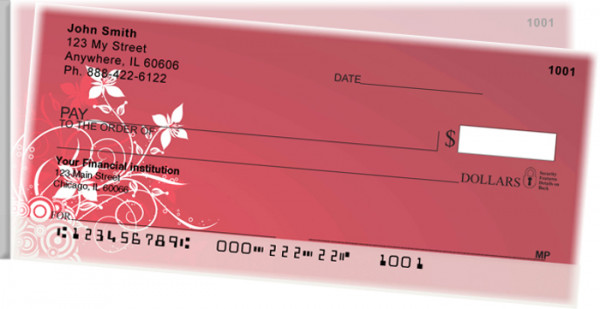 Creeping from the Corner Side Tear
Starting Price: $22.00
Creeping from the Corner Side Tear
Starting Price: $22.00
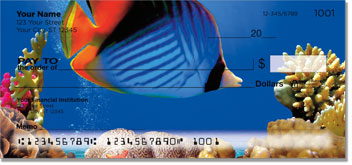 World of Fish
Starting Price: $14.65
World of Fish
Starting Price: $14.65
 Southwest Art - 1 box - Singles
Starting Price: $4.95
Southwest Art - 1 box - Singles
Starting Price: $4.95
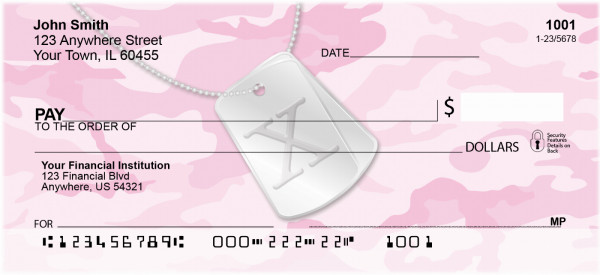 Dog Tag Monogram X
Starting Price: $25.50
Dog Tag Monogram X
Starting Price: $25.50
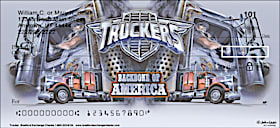 Trucker
Starting Price: $47.90
Trucker
Starting Price: $47.90
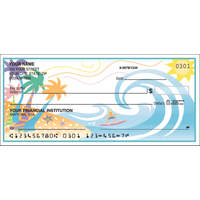 Tropical Moods - 1 box - Singles
Starting Price: $7.00
Tropical Moods - 1 box - Singles
Starting Price: $7.00
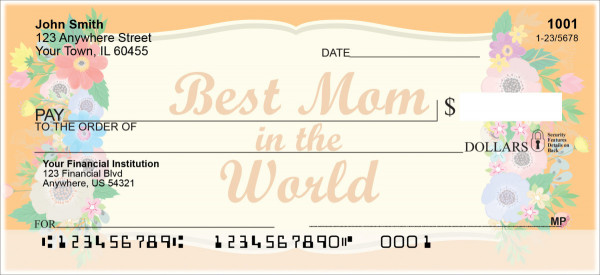 Mother's Day
Starting Price: $25.50
Mother's Day
Starting Price: $25.50
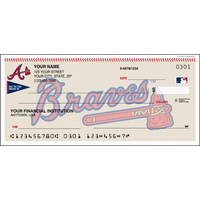 Atlanta Braves MLB - 1 Box - Singles
Starting Price: $5.50
Atlanta Braves MLB - 1 Box - Singles
Starting Price: $5.50